How to Make Almond Oil at Home: Step by Step Guide for Pure and Natural Extraction
Making almond oil at home ensures purity, quality, and complete control over what you use on your skin and hair. This guide simplifies the process while highlighting the benefits and challenges, along with how modern machines can make oil extraction easier, faster, and more efficient....
In a time when people are becoming more conscious about what they use on their skin and hair, natural oils are making a strong comeback. Almond oil, known for its nourishing and healing properties, is one of the most loved choices. Many people are now searching for how to make almond oil at home so they can ensure purity and avoid chemicals often found in commercial products.
Making almond oil at home is not just about saving money. It is about control, quality, and trust in what you are using.
Understanding almond oil before you begin
Sweet almonds vs bitter almonds
Before you start, it is important to know that oil is usually extracted from sweet almonds. These are safe and commonly used for cosmetic and edible purposes. Bitter almonds are not suitable for home extraction.
Choosing the right almonds
For the best results, always choose high quality, fresh, and raw almonds. Organic almonds are preferred as they are free from pesticides and chemicals.
How to make almond oil at home step by step
Step one preparing the almonds
Start by cleaning the almonds thoroughly to remove any dust or impurities. You can soak them in water for a few hours and then dry them completely. Drying is important because excess moisture can affect the oil extraction process.
Step two grinding the almonds
Once the almonds are dry, grind them into a coarse paste using a blender or grinder. At this stage, you will notice the almonds releasing their natural oils, which helps in the extraction process.
Step three extracting the oil
Now comes the key step in learning how to make almond oil. Place the ground almond paste in a cloth or fine strainer and press it firmly to extract the oil. This method works, but it may require effort and may not yield a large quantity.
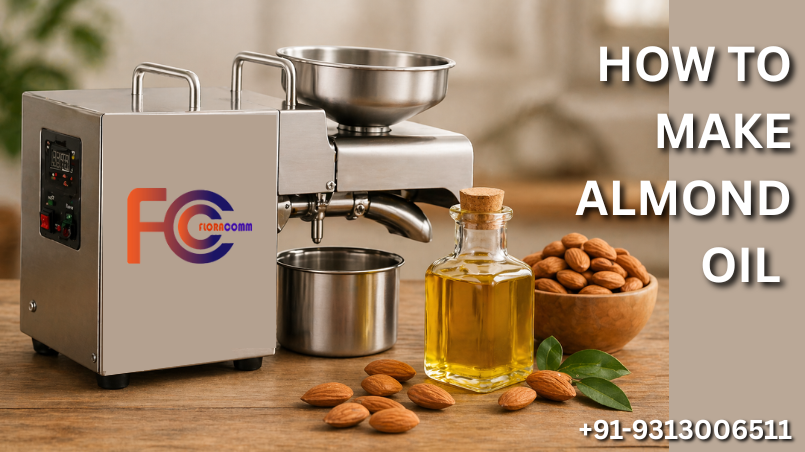
For better results, many people prefer using an oil extraction machine. This ensures higher efficiency and better quality oil without excessive manual effort.
Step four filtering the oil
Once the oil is extracted, filter it again using a clean cloth or filter paper to remove any remaining particles. This step ensures that the oil is smooth and pure.
Step five storing the oil properly
Store the extracted almond oil in a clean, airtight glass container. Keep it in a cool and dry place away from direct sunlight. Proper storage helps maintain its quality and extends its shelf life.
Benefits of making almond oil at home
Purity you can trust
When you learn how to make almond oil yourself, you know exactly what goes into it. There are no additives, preservatives, or artificial fragrances.
Cost effective in the long run
While the initial effort may seem more, homemade oil can be more economical over time, especially if you use it regularly.
Multipurpose usage
Homemade almond oil can be used for hair care, skin nourishment, massage, and even cooking in some cases. Its versatility makes it a valuable addition to your daily routine.
Challenges of manual extraction
Time and effort involved: Traditional methods of extracting almond oil can be time consuming and physically demanding. The yield is often lower, which may not be practical for regular use.
Inconsistent quality: Manual extraction may not always produce consistent results. The quality and quantity of oil can vary depending on the method and effort used.
Why FloraOilMachine makes the process easier
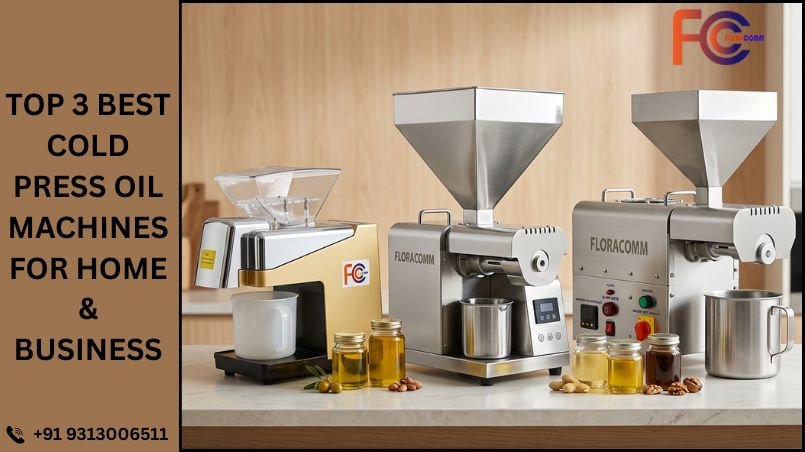
For those who want a more efficient and reliable way to extract oil, FloraOilMachine offers advanced solutions. Their oil extraction machines are designed to simplify the process while maintaining the purity of the oil.
Using FloraOilMachine, you can produce almond oil with higher yield and better consistency. Their machines are user friendly and suitable for both small scale and regular use. This makes them a great choice for individuals and businesses looking to produce natural oils with ease.
FloraOilMachine focuses on quality, durability, and performance, helping users get the best results without complicated procedures.
Tips for better results
Use fresh ingredients: Always use fresh and good quality almonds to ensure the oil retains its natural benefits.
Maintain cleanliness: Clean equipment and proper handling are essential to avoid contamination.
Be patient with the process: Whether you are using manual methods or a machine, patience is key to achieving good quality oil.
Final thoughts
Learning how to make almond oil at home is a rewarding process. It gives you control over quality and ensures that you are using a natural and pure product.
While traditional methods can work, modern solutions like FloraOilMachine make the process more efficient and practical. Whether for personal use or small scale production, having the right approach and tools can make a big difference.
In the end, homemade almond oil is not just a product. It is a step toward a healthier and more conscious lifestyle.